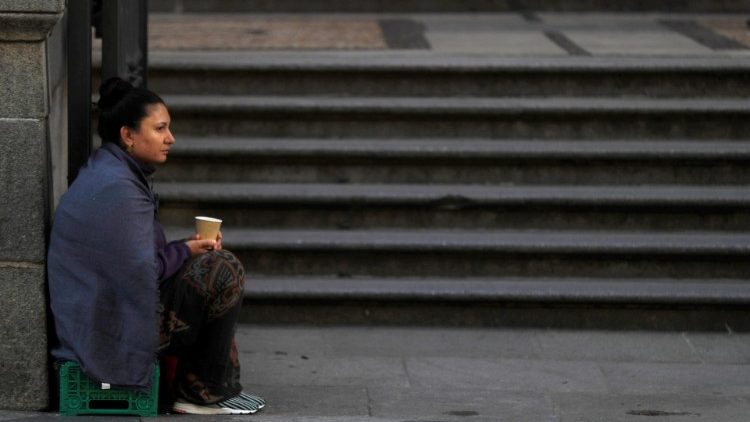
The Permanent Observer Mission of the Holy See to the United Nations issues a statement calling to ensure access to justice for women and girls across the world by addressing structural barriers and tackling discrimination.
By Isabella H. de Carvalho Ensuring access to justice for women and girls across the world means addressing fundamental issues such as poverty and discrimination, the Permanent Observer Mission of the Holy See to the United Nations said in a statement for the 70th Commission on the Status of Women, taking place in New York from March 9 to 19. “Ensuring access to justice for women and girls requires more than just formal legal protections,” the statement underlined. “It also involves addressing the root causes that put them at risk, prevent them from seeking justice and ultimately undermine their God-given human dignity.” “Ensuring access to justice is vital for achieving a just society” and requires “a holistic approach involving the eradication of poverty, the combatting of discrimination and violence, the strengthening of institutions, and education,” the statement said. Tackling violence and discrimination The Permanent Mission of the Holy See to the UN emphasized the importance of recognizing and dismantling “the barriers that women and girls face, such as violence and discrimination” and called for “effective systems of accountability and a culture of responsibility” to prevent abuse and address violations. The statement noted that “failure to tackle these issues also puts women and girls at risk of revictimization and exploitation,” especially when it comes to human trafficking. They explained that women and girls constitute the majority of trafficking victims and are often exploited for prostitution or forced into marriages, surrogacy or criminality. The statement also insisted on the importance of respecting the rights of women and girls who have been accused of crimes, such as ensuring “fair trial guarantees, adequate legal representation,” “safe, hygienic, single-sex detention facilities,” and adequate care for mothers and pregnant women. Addressing poverty The Permanent Mission of the Holy See to the UN also insisted on poverty as being another barrier that affects women’s access to justice. They explained how poor women and girls often lack resources to secure legal representation, may not have received quality education or be unaware of their rights and how to navigate the justice system. Additionally, in rural areas, many women and girls are disadvantaged by a lack of reliable transport or communication networks. Also, “equal access to justice also requires daughters to receive the same resources and opportunities as sons, and for families to be a healthy and peaceful environment for all,” the statement said.